

How to Open and Import a .fig File in Figma (Step by Step)
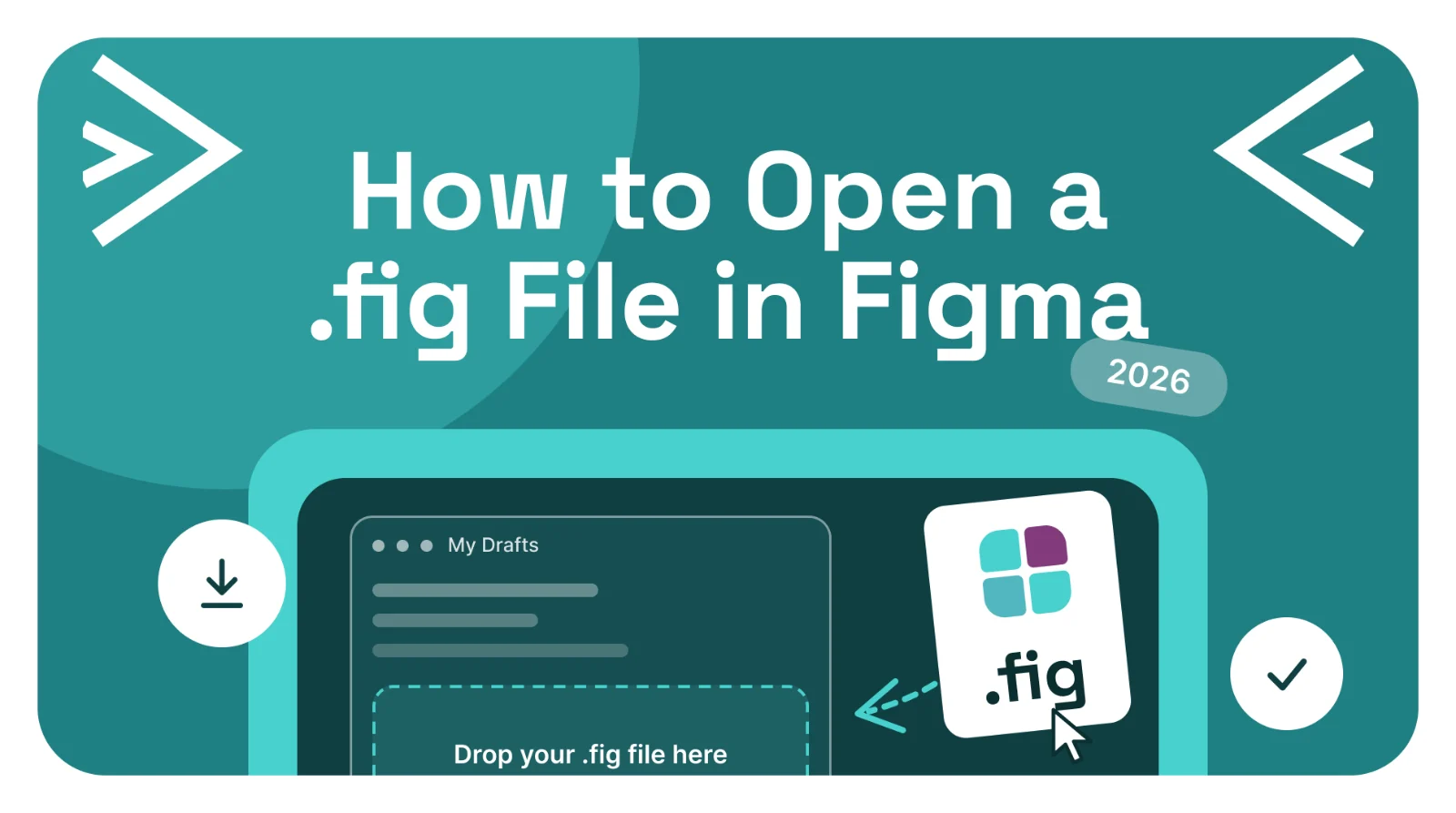
Quick answer: to open a .fig file, sign in to Figma, drag the file into your Drafts (or any project) in the Figma file browser, and it imports as an editable copy. You can also open it from the Figma desktop app. The whole thing takes under a minute.
Last updated: October 11, 2026
What this guide covers
- What a .fig file is
- How to get a .fig file out of Figma (Save local copy)
- Method 1: import a .fig file in the browser
- Method 2: open it in the Figma desktop app
- Fixing missing fonts
- How to start editing a template
- Troubleshooting: the file will not open
- FAQ
What is a .fig file?
A .fig file is Figma's own file format. It stores a complete design file: pages, frames, layers, text styles, colors, components and images. Designers use .fig files to share a design as a copy that the other person can edit freely, which is exactly how free Figma templates are usually delivered.
When you download a template from FigmaTemplify, the file you get is a .fig file. Every template in the library has a "Download .fig" button on its page, and a "View Figma" button if you would rather preview the design first.
How to get a .fig file out of Figma (Save local copy)
If you want to share your own design as a .fig file, or keep a backup, open the file in Figma, use the main menu in the top-left, go to File and choose "Save local copy". Figma saves the design to your computer with the .fig extension. You need access to the file and permission to copy it. The saved file holds your pages and design content; things that live with the original file, such as comments and version history, are not part of the copy you send.
Method 1: import a .fig file in the browser
This works on any computer and does not need the desktop app. You only need a free Figma account.
Step 1: Download the .fig file
Save the file somewhere easy to find, such as your Downloads folder. Make sure the file name ends in .fig. If your browser saved it as a zip file, unzip it first and use the .fig file inside.
Step 2: Open the Figma file browser
Go to figma.com and sign in. You will land on the file browser, where your Drafts and projects are listed.
Step 3: Drag the file in, or use Import
Drag the .fig file from your computer into the file browser window. You can drop it into Drafts or into a project. Or click the Import button at the top right of the file browser and choose to import from your computer. Figma uploads and converts the file, which can take a few seconds for large files, and creates a new, editable copy. Menu labels can change between Figma versions, so look for "Import" if yours differs.
Step 4: Open the imported file
Click the new file in the file browser. It opens in the Figma editor. Because it is a copy, anything you change stays in your own file and the original download is untouched.
Method 2: open it in the Figma desktop app
If you have the Figma desktop app installed, you can usually double-click the .fig file to open it, or use the app's File menu to open a file from your computer. The desktop app is useful when you want to use fonts that are installed on your computer.
Whichever method you use, the template ends up as a normal Figma file in your account, ready to edit.
Fixing missing fonts
The most common message after importing a template is a missing-fonts warning. It appears when the design uses a font that Figma cannot find for your account.
- Google Fonts: Figma includes the Google Fonts library, so templates that use these fonts normally display correctly with no extra work.
- Other fonts: if a font is not available, install it on your computer and open the file in the desktop app, or use Figma's option to replace the missing font with a similar one.
Replacing a font can change line breaks and spacing slightly, so check headings and buttons afterwards. The font names used in a design are visible when you select a text layer.
How to start editing a template
Once the file is open, a few habits make a template much faster to customize:
- Look at the pages list. Open the Layers panel and check the Pages section. Some files contain several pages, for example desktop and mobile versions.
- Select a frame, not a single layer. Click the frame name on the canvas to move or resize whole sections.
- Change text by double-clicking. Replace the placeholder copy with your own. Keep headlines short so the layout stays balanced.
- Swap images. Select the image, open its fill in the right-hand panel and choose a new image.
- Update colors in one place. If the file uses color styles or variables, edit them once and every layer using them updates.
- Rename the file. Give your copy a clear name so it does not get mixed up with other drafts.
Need inspiration for what to build? Browse our landing page templates, hero section designs or mobile app UI kits, and import the one closest to your project.
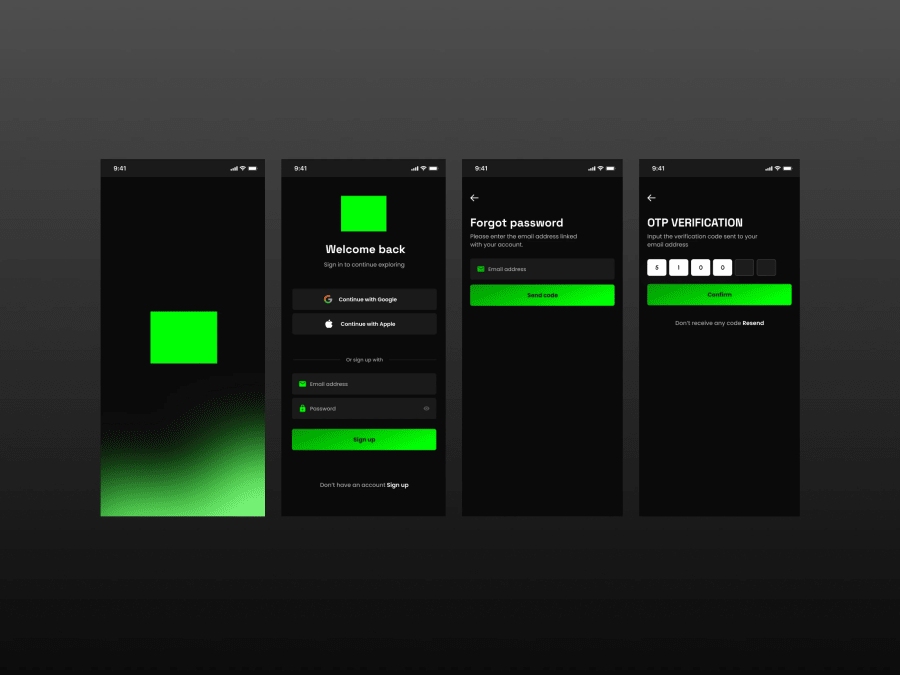
Example: the dark mode app sign-in screens template is a good first file to import and practise on.
Troubleshooting: the .fig file will not open
- The file does not end in .fig. Check the name. A zip, rename or download problem is the most common cause.
- The download is incomplete. If the file is very small or the download was interrupted, download it again.
- Import is slow. Large files with many images can take a while to upload and open. Wait a minute before trying again.
- The desktop app is out of date. Update the Figma desktop app, or try importing in the browser instead.
- Your plan limits files. Figma plans can limit how many design files you can have. If the import is blocked, check your plan or free up a file.
Still stuck? Send us a message and include the template name and what you see.
FAQ
Can I open a .fig file without Figma?
A .fig file is designed to be opened in Figma. You need a Figma account, which is free to create, to edit it. Some other design tools offer limited import options, but results vary.
Does importing a .fig file change the original?
No. Figma creates a separate copy in your account. Your edits only affect that copy.
Can I use the templates for client work?
Usage rules for FigmaTemplify templates are described in our Terms of Service. If you are unsure about a specific use, ask us through the contact page first.
Where can I get free .fig files?
Every template in the FigmaTemplify library comes with a free .fig download and a Figma preview link. No sign-up is needed to browse or download.
What is the difference between "View Figma" and "Download .fig"?
"View Figma" opens a live preview so you can inspect the design before deciding. "Download .fig" gives you the file itself so you can import it and edit your own copy.
Next step
Pick a template, download the .fig file and import it using the steps above. If you want something designed specifically for your brand, see our design plans.